Denis Healey: Biography, Family, Career & Key Facts
Denis Healey was one of the most influential and recognizable British Labour politicians of the postwar era. Born in 1917, he built a remarkable career that combined military service, parliamentary politics, economic policy, writing, and public commentary. His journey from Oxford student and wartime soldier to Chancellor of the Exchequer and Defence Secretary placed him at the center of several defining moments in modern British history.
The story of Denis Healey is also notable because of the personality behind the political career. His quick wit, distinctive eyebrows, strong speaking style, and interest in photography and literature made him unusually recognizable to the British public. His family life, connection with the Yorkshire Dales, and extensive writing further revealed a more creative side of a politician often remembered for difficult economic and political decisions.
Early Life and Education
Denis Healey was born on August 30, 1917, in Mottingham, London, and grew up in Yorkshire. His education at Bradford Grammar School was followed by a scholarship to Balliol College, Oxford, where he studied Greats. His academic ability became an important foundation for his later political career, while Oxford also exposed him to political debate and the intellectual environment that would influence his views for decades.
Before entering Parliament, Denis Healey experienced the Second World War as a member of the British Army. He served with the Royal Engineers and reached the rank of major, taking part in military operations in North Africa and Italy. His wartime experiences shaped his understanding of international security and later influenced his approach to defense policy, NATO, nuclear deterrence, and Britain’s role in global affairs.
Political Career and Rise to Prominence
Denis Healey became increasingly active in the Labour movement after the war and served as the party’s International Secretary between 1945 and 1952. His international responsibilities helped develop his knowledge of foreign affairs and strengthened his reputation as an informed political thinker. In 1952, he entered the House of Commons as the Labour Member of Parliament for Leeds South East, beginning a parliamentary career that lasted four decades.
During his years in opposition, Denis Healey developed a reputation as an articulate and formidable debater. He was particularly interested in international affairs, defense, economics, and the future direction of the Labour Party. His ability to combine intellectual arguments with a forceful personality helped him gain attention among senior Labour figures and eventually led to major government responsibilities under Prime Minister Harold Wilson.
Denis Healey as Defence Secretary
When Labour returned to government in 1964, Denis Healey became Secretary of State for Defence. He remained in the position until 1970, making his tenure one of the longest periods served by a British Defence Secretary. He inherited a complicated international environment shaped by the Cold War, changing military technology, Britain’s declining imperial role, and questions about the country’s ability to maintain extensive commitments around the world.
As Defence Secretary, Denis Healey dealt with difficult decisions concerning military spending, Britain’s overseas commitments, and relations with the United States and European allies. He strongly supported NATO and Britain’s nuclear deterrent while also seeking to reshape defense priorities. His approach demonstrated the tension between Britain’s strategic ambitions and the economic limitations facing the country during the 1960s.
Denis Healey as Chancellor of the Exchequer
One of the defining chapters of Denis Healey’s career began when Labour returned to power in 1974 and he became Chancellor of the Exchequer. Britain was facing serious economic problems, including high inflation, industrial disputes, pressure on public finances, and concerns about the country’s international financial position. The Treasury role placed Healey in charge of decisions that would affect millions of households and businesses.
During his time as Chancellor, Denis Healey faced intense pressure from markets, trade unions, political opponents, and members of his own party. His economic approach evolved as circumstances changed, and the government eventually sought financial assistance from the International Monetary Fund. The experience became a defining part of his reputation and continues to attract historical debate about economic policy during the turbulent 1970s.
Family and Personal Life
Denis Healey married Edna Healey in 1945, shortly after the Second World War. Their marriage lasted for many decades and remained an important part of his personal story while he pursued an exceptionally demanding political career. The couple had children and maintained a family life alongside Healey’s responsibilities in Parliament, government, international affairs, and later public life.
Away from politics, Denis Healey had interests that made his personality considerably broader than his parliamentary reputation suggested. He enjoyed photography, literature, music, art, and the countryside. These interests provided an important contrast to the serious political debates surrounding him and helped establish an image of a statesman who was intellectually curious and creatively engaged outside Westminster.
Denis Healey and His Famous Eyebrows
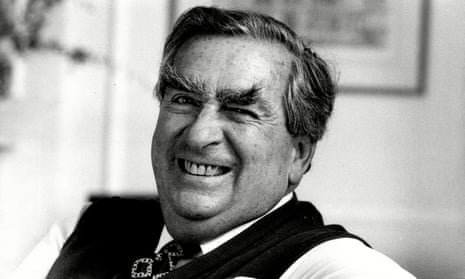
The eyebrows of Denis Healey became one of the most memorable physical features associated with a British politician. Their distinctive appearance was frequently noticed by journalists, cartoonists, comedians, and television performers. Alongside his deep voice and expressive face, the eyebrows helped create an instantly recognizable public image that remained strongly associated with him throughout his political career.
The fascination with Denis Healey eyebrows was also connected to his sense of humor and willingness to make fun of himself. Political caricature was an important part of British public life, and his appearance provided an easy visual reference for cartoonists and impressionists. While his eyebrows became a source of jokes, they also contributed to the memorable personality that helped distinguish him from many of his contemporaries.
Denis Healey Portrait and Public Image
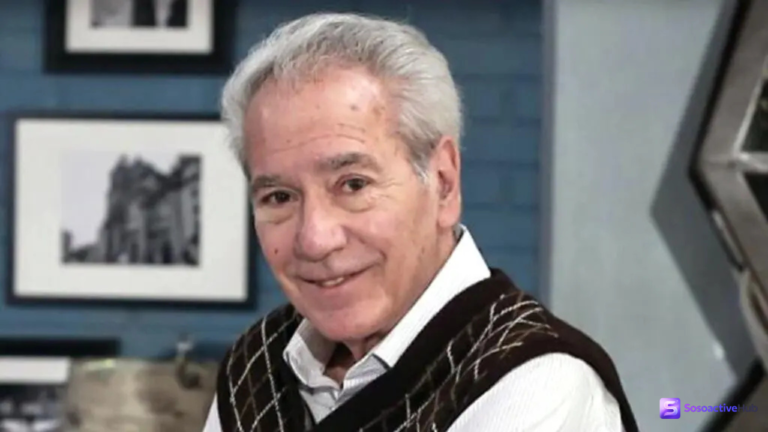
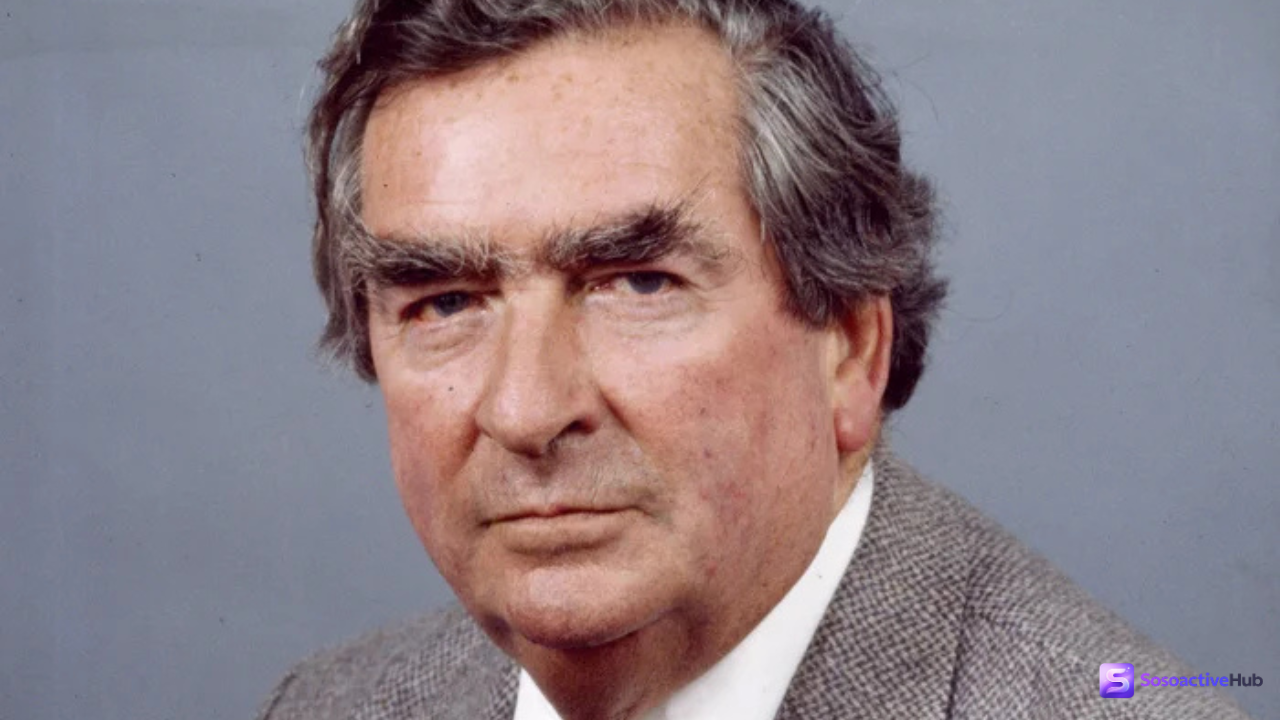
A Denis Healey portrait offers more than a simple visual representation of a former politician. Photographs from different periods of his life reveal his transformation from a young wartime officer and ambitious parliamentarian into a senior statesman and elder political figure. His distinctive facial features, expressive appearance, and characteristic eyebrows made him particularly recognizable in newspapers, television coverage, political cartoons, and historical archives.
Photography was also a genuine personal interest for Denis Healey rather than merely something connected with publicity. He developed his own skills as a photographer and incorporated visual work into his wider creative interests. His photographs and published work provide another perspective on his personality, showing a man who could move from intense political arguments to thoughtful observations about landscapes, people, and everyday life.
Denis Healey and the Yorkshire Dales
The relationship between Denis Healey and the Yorkshire Dales highlights a quieter and more personal aspect of his life. Yorkshire was important to his identity, and his interest in the countryside became closely connected with his enjoyment of photography and writing. The landscape offered an escape from the intensity of Westminster and gave him an opportunity to explore subjects far removed from economics and political conflict.
His book Denis Healey’s Yorkshire Dales reflects this interest in the region and demonstrates the breadth of his creative work. The publication combined his appreciation of landscape with his skills as a writer and photographer. For readers interested in his life beyond Parliament, his connection with the Yorkshire Dales provides a valuable glimpse into the personal interests that helped shape his identity outside politics.
Books and Writing Career
Writing became another important part of Denis Healey’s legacy. His publications included The Time of My Life, Healey’s Eye, Beyond Nuclear Deterrence, Labour and a World Society, and Denis Healey’s Yorkshire Dales. These works covered subjects ranging from politics and international affairs to photography and personal observation, demonstrating the unusually broad range of his interests.
Through his books, Denis Healey was able to present ideas in a more personal and reflective form than was possible during parliamentary debates. His memoirs in particular provide insight into the people, controversies, and political events that shaped his generation. His writing also shows that he regarded public life as part of a much wider intellectual and cultural experience rather than simply a career in government.
Political Wit and Lasting Legacy
Denis Healey became famous for his sharp political wit and ability to produce memorable phrases during heated political exchanges. His humor could be self-deprecating, combative, or deliberately provocative, helping him stand out in a political culture where strong parliamentary personalities were highly valued. His reputation for memorable remarks contributed greatly to the public fascination surrounding his career.
The legacy of Denis Healey is more complicated than his famous jokes or recognizable appearance. He never became Prime Minister, but he held two of the most important Cabinet positions in British government and remained influential within Labour politics for decades. His career reflected the challenges of postwar Britain, including defense commitments, economic instability, ideological divisions, and the changing role of the state.
Later Years and Death
After leaving the House of Commons in 1992, Denis Healey continued to participate in public life. He had already served as Deputy Leader of the Labour Party from 1980 to 1983 and later sat in the House of Lords. His continued involvement demonstrated the respect he commanded across many parts of British political life, even when his economic or political views remained controversial.
Denis Healey died on October 3, 2015, at the age of 98. His death marked the passing of one of the last major figures from the generation that dominated British politics after the Second World War. Tributes highlighted his intelligence, political toughness, humor, military service, government positions, and ability to remain a distinctive public personality for more than half a century.
Key Facts About Denis Healey
Denis Healey was born in 1917 and entered Parliament in 1952 after serving in the British Army during the Second World War. He became Defence Secretary in 1964 and served until 1970, later returning to government as Chancellor of the Exchequer from 1974 to 1979. These senior positions placed him at the heart of Britain’s defense and economic decision-making during challenging periods.
The personal side of Denis Healey is equally interesting. He was married to Edna Healey, had a family, wrote several books, developed a passion for photography, and maintained a strong interest in the Yorkshire countryside. His famous eyebrows and quick wit became lasting elements of his public image, ensuring that his personality remained memorable alongside his political achievements.
Conclusion
Denis Healey remains an important subject for anyone interested in modern British politics because his career crossed so many significant areas of public life. His wartime service, parliamentary career, leadership within Labour, tenure as Defence Secretary, and years as Chancellor placed him at the center of major national debates. His record was sometimes controversial, but his influence and political stature were undeniable.
The story of Denis Healey also extends well beyond Westminster. His family, books, photography, Yorkshire interests, distinctive eyebrows, and famous humor reveal a multifaceted individual who combined political ambition with considerable cultural curiosity. His career provides a valuable window into postwar Britain, while his personality ensures that his name remains recognizable long after his final years in public life.
Frequently Asked Questions
Who was Denis Healey?
Denis Healey was a British Labour politician who served as Defence Secretary and Chancellor of the Exchequer and remained influential in British public life for decades.
When was Denis Healey born?
Denis Healey was born on August 30, 1917, in Mottingham, London.
When did Denis Healey die?
Denis Healey died on October 3, 2015, at the age of 98.
Who was Denis Healey’s wife?
Denis Healey was married to Edna Healey, whom he married in 1945.
Why were Denis Healey’s eyebrows famous?
His distinctive bushy eyebrows became a recognizable part of his appearance and were frequently referenced by journalists, cartoonists, and comedians.
What was Denis Healey famous for?
He was best known for serving as Defence Secretary from 1964 to 1970 and Chancellor of the Exchequer from 1974 to 1979.
What was Denis Healey’s connection to the Yorkshire Dales?
He had a strong personal interest in the Yorkshire countryside and explored it through photography and his book Denis Healey’s Yorkshire Dales.
What books did Denis Healey write?
His publications included The Time of My Life, Healey’s Eye, Beyond Nuclear Deterrence, Labour and a World Society, and Denis Healey’s Yorkshire Dales.
Also Read: peter crouch height