Queen Elizabeth Hair: The Story Behind Her Iconic Style
Queen Elizabeth II became one of the most recognizable figures of the modern royal era, and her hairstyle played a surprisingly important role in that identity. For more than seven decades, queen elizabeth hair evolved gradually while maintaining a familiar shape that audiences could immediately recognize. From her youthful curls and darker shades to the silver-white style of her later years, her hair reflected changing age, fashion, and royal presentation.
Unlike hairstyles that disappear with changing trends, her signature look became closely connected with the image of the British monarchy. She experimented with length, volume, and color over the decades, yet rarely abandoned the overall character of her carefully styled hair. This balance between subtle change and remarkable consistency is one reason her hairstyle continues to attract attention from royal enthusiasts, beauty historians, and readers interested in the personal style of Queen Elizabeth II.
Queen Elizabeth Hair in Her Younger Years
Young Queen Elizabeth had a noticeably softer appearance before becoming the long-reigning monarch recognized around the world. During her childhood and teenage years, photographs show her wearing hairstyles that reflected the popular beauty standards of the 1930s and 1940s. Curls and carefully arranged waves helped create a polished appearance while retaining a youthful quality. Her early hairstyles were less structured than the iconic look associated with her later years.
As Princess Elizabeth entered adulthood, her public responsibilities gradually influenced her presentation. Her hairstyles became increasingly controlled and elegant, particularly as she began undertaking more official duties. Early queen elizabeth hair already contained elements that would later become familiar, including curls, volume, and careful framing around the face. These early looks provide an interesting starting point for understanding how her hairstyle developed into one of the most recognizable royal styles of the twentieth century.
Queen Elizabeth Hair Through the Years
Queen elizabeth hair changed considerably when viewed across an entire lifetime, even though the differences were often subtle from one decade to the next. During the 1950s, her hair reflected the polished elegance of the period, while later decades introduced variations in length, volume, and curl placement. Rather than constantly adopting dramatic new trends, she adjusted her existing style in ways that preserved its recognizable character and complemented her changing role.
The 1970s and 1980s brought additional volume and slightly different shapes, reflecting the broader hairstyles of those decades. By the 1990s and 2000s, the appearance became more closely associated with the shorter, softly curled style remembered by modern audiences. Looking at queen elizabeth hair through the years reveals a fascinating pattern: the details changed, but the underlying silhouette remained remarkably dependable throughout her reign.
What Color Was Queen Elizabeth’s Hair?
One of the most frequently searched questions about queen elizabeth hair concerns its original color. In photographs from her younger years, Queen Elizabeth II generally appears with darker brown hair. The shade contributed to her youthful appearance and contrasted noticeably with the silver-white color that became associated with her later life. Her hair color therefore provides one of the clearest visual examples of how her appearance changed naturally over the course of many decades.
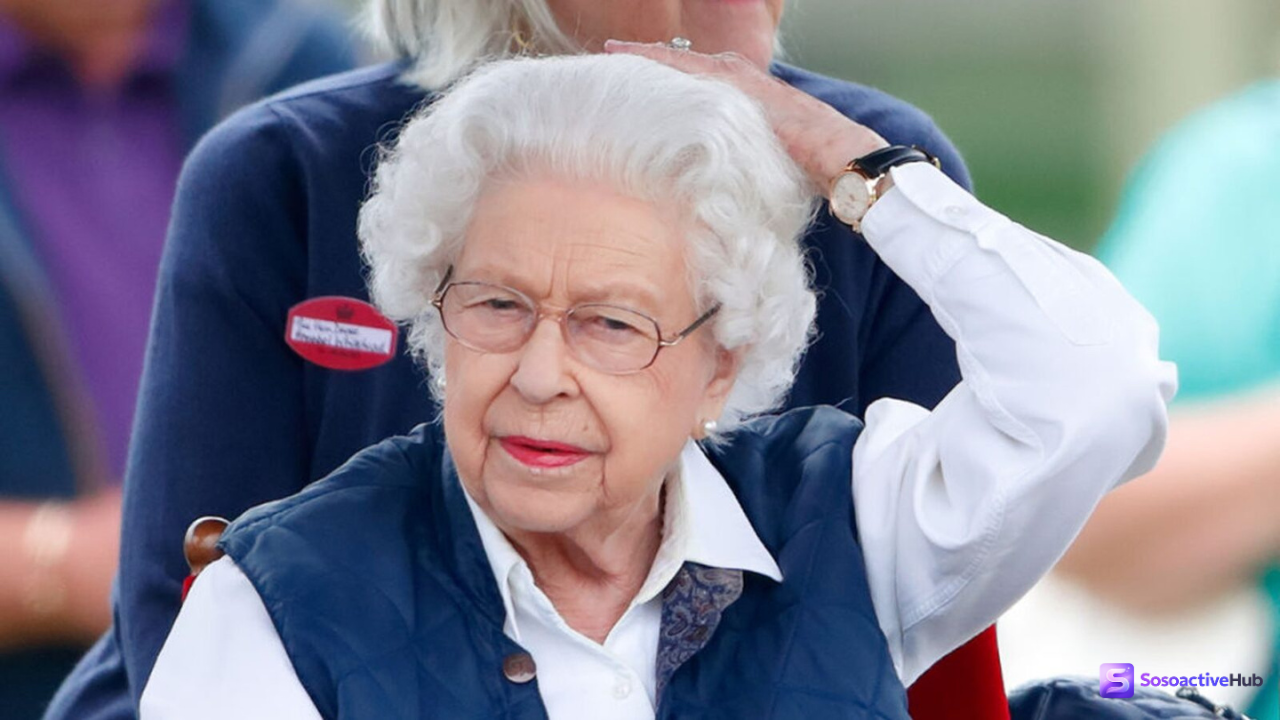
As Queen Elizabeth grew older, gray gradually became more prominent before her hair eventually appeared predominantly silver-white. This transformation became particularly noticeable during the later decades of her reign. The change in color did not fundamentally alter her recognizable style because the familiar curls and carefully maintained shape remained. Her transition from darker hair to silver-white hair became an important part of her visual journey from young princess to elderly monarch.
Why Did Queen Elizabeth Wear Her Hair That Way?

The distinctive appearance of queen elizabeth hair was closely connected with the demands of royal life. Queen Elizabeth II appeared at thousands of official engagements, ceremonies, receptions, tours, and public events. A consistent hairstyle helped create a polished and dependable image regardless of where she was appearing. Her familiar silhouette also meant that she could be recognized instantly in photographs and television coverage, even from a distance.
Practical considerations may also have influenced the enduring shape of her hairstyle. Queen Elizabeth frequently wore hats, tiaras, and other formal accessories, so a controlled hairstyle provided a stable foundation for these pieces. Her hair also complemented the colorful clothing and carefully coordinated accessories that became central to her public wardrobe. Instead of competing with her outfits, the hairstyle generally provided a familiar frame around her face and reinforced her overall royal presentation.
The Signature Shape of Queen Elizabeth Hair
The classic form associated with queen elizabeth hair was short, carefully arranged, and softly curled. The sides generally contained enough volume to create a rounded silhouette, while curls and waves framed her face. Although the exact length and shape changed over time, the overall design remained polished rather than dramatically fashionable. This consistency helped establish a visual signature that could remain recognizable across different periods of her life.
Another defining feature was the careful symmetry of the style. Her hair was usually arranged so that it looked controlled and balanced from different angles. Such precision was particularly useful during public appearances because the Queen was photographed constantly. Whether she was attending a formal ceremony or meeting members of the public, the hairstyle maintained a neat appearance that contributed to the sense of dignity and continuity associated with her position.
Queen Elizabeth Hair Loss: What Is Known?
Search interest surrounding queen elizabeth hair loss often comes from comparisons between photographs of the monarch at different ages. In later photographs, her hair could sometimes appear finer or less voluminous than it did during her younger years. However, visible changes in hair density should not automatically be interpreted as evidence of a specific medical condition. Hair naturally changes with age, including its thickness, texture, growth rate, and overall appearance.
There is limited reliable public information that would justify making specific medical claims about Queen Elizabeth’s hair. A responsible discussion should therefore distinguish observation from speculation. Her shorter hairstyles, professional styling, and carefully arranged curls could also affect how full her hair appeared in photographs. Instead of focusing on unverified explanations, it is more accurate to recognize that her appearance naturally changed as she moved from youth into old age.
Queen Elizabeth Hair and Her Royal Wardrobe
Queen Elizabeth’s hairstyle was only one part of a carefully recognizable visual identity. Her brightly colored coats, matching hats, handbags, jewelry, brooches, and shoes created an appearance that allowed her to stand out during public events. Queen elizabeth hair complemented this wardrobe by providing a consistent frame around her face. The combination of stable hair styling and changing clothing created a distinctive balance between familiarity and visual variety.
Her hairstyle was particularly effective with hats and other royal accessories. Because the basic shape remained controlled, different hats could be placed over or around the hair without completely changing her appearance. Tiaras and ceremonial pieces also benefited from the structured foundation. This relationship between hairstyle and wardrobe demonstrates why her hair should not be viewed as an isolated beauty choice. It was part of a broader approach to maintaining a recognizable and professional royal image.
The Role of Professional Styling
Maintaining queen elizabeth hair required regular professional attention, especially given the enormous number of public appearances she made throughout her reign. A monarch could be photographed from countless angles, meaning that her hairstyle needed to remain polished in different settings. Professional styling helped preserve the recognizable shape while allowing small adjustments to length, volume, and texture. This attention to detail supported the consistent appearance associated with Queen Elizabeth II.
Ian Carmichael became one of the best-known hairdressers associated with Queen Elizabeth. Reports have described his long professional relationship with the monarch and his regular visits to maintain her hairstyle. Such a long-term relationship illustrates how much continuity mattered to her appearance. Rather than repeatedly changing hairstylists and experimenting with dramatically different looks, the Queen maintained a dependable styling approach that supported her familiar public image.
Queen Elizabeth Hair in Her Later Years
During Queen Elizabeth’s later years, her hair became increasingly associated with silver and white tones. The transition from darker hair to gray and eventually a predominantly white appearance was gradual. By this stage, the color itself had become part of her instantly recognizable appearance. The silver-white shade worked particularly well with the bright clothing and pastel tones she frequently wore during public engagements.
Despite the dramatic difference in color compared with her youth, the basic hairstyle remained familiar. Queen elizabeth hair continued to feature carefully shaped curls and a controlled silhouette, although the cut sometimes appeared shorter in her final years. This continuity created a remarkable visual connection between photographs from different generations. Even as her face, hair color, and fashion changed with age, the hairstyle remained an unmistakable part of her identity.
Why Queen Elizabeth’s Hairstyle Became Iconic
The lasting appeal of queen elizabeth hair comes partly from the extraordinary length of her public life. She became Queen in 1952 and remained on the throne until 2022, meaning that several generations grew up seeing her familiar appearance. Her hairstyle became a visual constant during major historical events, national celebrations, overseas tours, royal ceremonies, and countless public engagements. Over time, that familiarity gave the hairstyle cultural significance beyond ordinary fashion.
Her approach also contrasted with the frequent image changes common among celebrities and public figures. Queen Elizabeth rarely relied on dramatic transformations to remain relevant. Instead, she allowed her appearance to evolve gradually while preserving its essential character. This created an unusual sense of continuity. Her hairstyle became recognizable not because it followed every fashion trend, but because it resisted radical change while still adapting subtly to age and changing circumstances.
Queen Elizabeth Hair Compared With Other Royal Styles
Royal hairstyles have changed significantly from one generation to another. Princess Diana became famous for her shorter, feathered hairstyle, while later royal figures have often favored longer waves, polished blowouts, or contemporary cuts. Queen elizabeth hair followed a noticeably different philosophy. Rather than making dramatic changes, Queen Elizabeth maintained a consistent shape that became closely linked with her role and personality.
This difference highlights how hairstyles can communicate different aspects of royal identity. A modern hairstyle may emphasize youth, fashion, or individuality, while Queen Elizabeth’s familiar curls suggested continuity and tradition. Her hair worked alongside her clothing and accessories to create an appearance that was immediately identifiable. As a result, her hairstyle became less about following fashion and more about preserving a recognizable visual connection with the institution she represented.
Myths and Misconceptions About Queen Elizabeth’s Hair
There are numerous online claims about queen elizabeth hair, including speculation about wigs, hair dye, hair loss, and private styling routines. Some statements are based on genuine photographs or historical reporting, while others have been repeated online without strong evidence. Readers should therefore be cautious when encountering definitive claims about details that were never publicly confirmed by reliable sources.
It is also important to distinguish Queen Elizabeth II from Queen Elizabeth I when researching historical hairstyles. Elizabeth I lived centuries earlier and is associated with dramatically different red or auburn hairstyles, elaborate curls, wigs, and highly stylized Tudor fashion. Queen Elizabeth II, by contrast, became known for her short, controlled curls and later silver-white hair. Keeping these two monarchs separate prevents considerable confusion in historical and beauty-related searches.
The Lasting Legacy of Queen Elizabeth Hair
The story of queen elizabeth hair extends beyond the question of how a famous monarch wore her hair. It represents a fascinating combination of personal presentation, royal tradition, aging, fashion, and public identity. Her hairstyle changed from the darker curls of youth to the silver-white appearance of later life, yet its fundamental shape remained familiar. That balance helped turn an everyday feature into an enduring symbol.
Interest in her hairstyle continues because photographs allow people to trace the Queen’s life visually. Looking through decades of images reveals subtle changes that may be difficult to notice when viewing individual photographs separately. Her hair provides a timeline of her life, showing how youth gradually gave way to maturity and old age while the public role remained constant. In this way, her hairstyle became an unusually personal element of her historical image.
Conclusion
Queen elizabeth hair became one of the most recognizable elements of Queen Elizabeth II’s public appearance because it combined familiarity with gradual evolution. Her younger hairstyles featured darker shades and softer curls, while later decades brought increased volume, shorter cuts, and eventually silver-white coloring. Through all these transformations, the essential character of her hairstyle remained stable enough for generations of viewers to recognize immediately.
Ultimately, her hairstyle was more than a fashion choice. It helped establish a dependable visual identity during one of the longest reigns in British history. From young Princess Elizabeth to the silver-haired monarch remembered around the world, the evolution of her hair mirrors the passage of time while demonstrating the power of consistency. That is why queen elizabeth hair remains a fascinating subject for royal history, beauty, and fashion enthusiasts.
Frequently Asked Questions
What color was Queen Elizabeth’s hair when she was young?
Queen Elizabeth II generally had darker brown hair during her younger years before gradually developing gray and silver-white hair with age.
How did Queen Elizabeth hair change through the years?
Her hair changed in color, length, volume, and texture, while the familiar short, curled shape remained a consistent feature of her appearance.
Did Queen Elizabeth experience hair loss?
There is no reliable public evidence confirming a specific medical cause of hair loss, although natural aging can affect hair density and texture.
Why did Queen Elizabeth keep her hair short?
Her short hairstyle became part of her recognizable public image and worked effectively with hats, tiaras, formal clothing, and royal appearances.
Was Queen Elizabeth’s hair naturally curly?
She frequently wore her hair in curls and waves, although styled photographs cannot conclusively establish the exact natural texture of her hair.
Did Queen Elizabeth wear a wig?
Claims about regular wig use are not strongly supported by reliable evidence, while professional hairstyling is well documented as part of her appearance.
Who styled Queen Elizabeth’s hair?
Ian Carmichael was a notable longtime hairdresser for Queen Elizabeth II and was reported to have maintained her hairstyle regularly over many years.
Why was Queen Elizabeth’s hairstyle so iconic?
Its remarkable consistency across seven decades, combined with subtle changes in color and shape, made her hairstyle an instantly recognizable part of her royal identity.
Also Read: daniel radcliffe son