
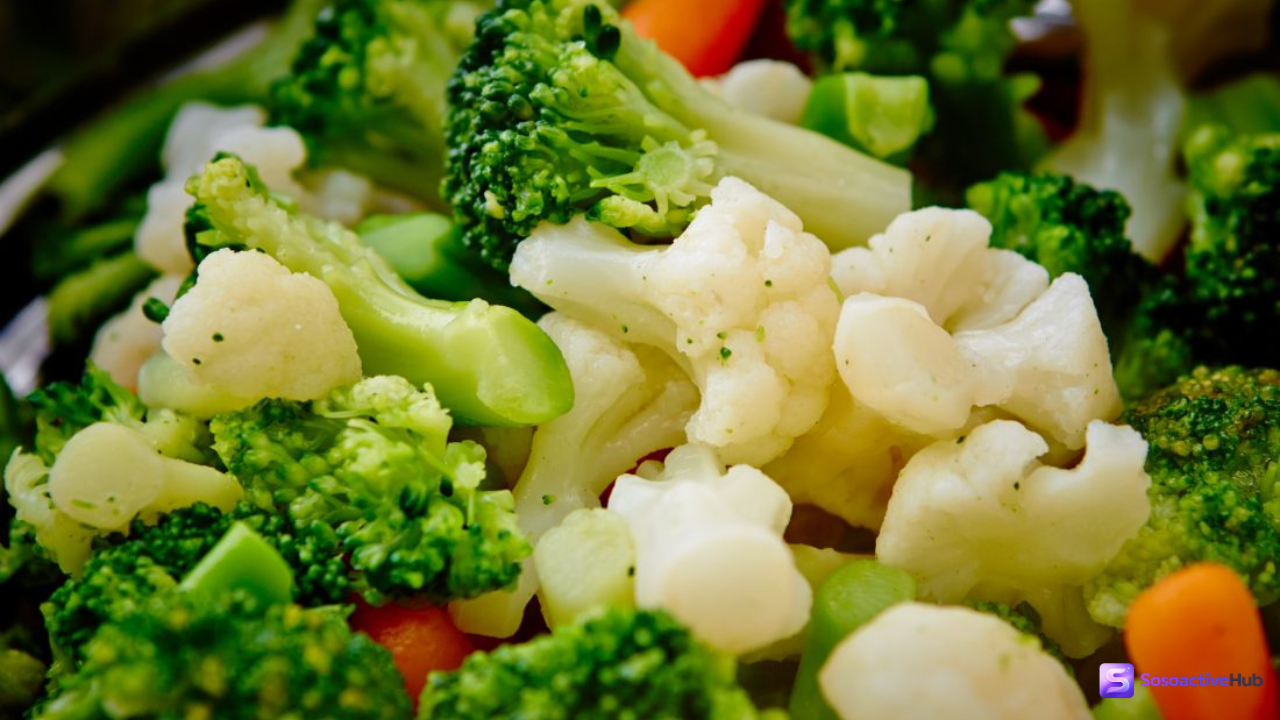
How to Steam Vegetables: A Simple Guide for Perfectly Tender Vegetables
Learning how to steam vegetables is one of the easiest ways to prepare a nutritious, colorful, and flavorful meal. Steaming cooks vegetables with hot vapor rather than immersing them directly in boiling water, helping them retain much of their natural taste, texture, and appearance.
The technique is simple enough for everyday cooking and versatile enough for everything from quick weeknight dinners to meal preparation. You do not need complicated equipment, either. A saucepan with a lid and a steaming basket can be enough to get started.
The key is controlling the amount of water, arranging the vegetables properly, and cooking each type for the right amount of time. Once you understand these basics, steaming becomes a reliable method for preparing vegetables without making them soggy or bland.
What You Need to Steam Vegetables
The basic setup is surprisingly simple. You need a pot or saucepan with a lid, a little water, and something that keeps the vegetables above the water level.
A traditional steamer basket works particularly well because it allows steam to circulate around the food. A metal steaming rack, bamboo steamer, or suitable heat-resistant insert can also work.
Before cooking, gather:
- Fresh or frozen vegetables
- A saucepan or pot with a secure lid
- A steaming basket or rack
- Water
- Tongs or a spoon for removing the vegetables
- Salt, herbs, spices, lemon, or other seasonings if desired
The vegetables should sit above the water rather than directly in it. This is what makes the process steaming instead of boiling.
How to Steam Vegetables Step by Step
The process requires only a few steps, but small details can make a noticeable difference in the final texture.
Prepare the Vegetables
Wash fresh vegetables thoroughly and remove any damaged portions. Trim ends, peel vegetables when necessary, and cut larger pieces into reasonably similar sizes.
Uniform pieces are important because they tend to cook at a similar rate. For example, cutting carrots into thick and thin pieces at the same time can result in some pieces becoming tender while others remain firm.
You can leave small vegetables whole or cut larger ones into bite-sized pieces.
Add Water to the Pot
Pour a modest amount of water into the bottom of the pot. The water should remain below the steaming basket or rack.
You do not need to fill the pot with water. The goal is to create enough steam to cook the vegetables while keeping them above the liquid.
Place the pot over medium to medium-high heat and bring the water to a steady simmer or boil.
Place the Vegetables in the Steamer
Once the water is producing steam, place the vegetables in the basket. Spread them out as much as practical so steam can move around the pieces.
Avoid packing the basket excessively tightly. If there are too many vegetables in one layer, steam may not circulate evenly, which can lead to uneven cooking.
Cover the Pot
Put the lid on the pot as soon as the vegetables are inside. Keeping the steam contained helps maintain the temperature needed for cooking.
Try not to lift the lid repeatedly. Every time it is removed, steam escapes and the cooking process can slow down.
Cook Until Tender
Cooking time depends on the vegetable, its size, and the texture you prefer.
Start checking toward the expected cooking time rather than relying entirely on the clock. A fork or knife should slide into the vegetable with the desired amount of resistance.
For many vegetables, tender-crisp is preferable because the pieces remain slightly firm instead of becoming soft and mushy.
Remove and Season
When the vegetables reach the desired texture, carefully remove the basket from the pot. Be cautious because both the vegetables and escaping steam can be extremely hot.
Serve immediately or season according to your meal. Simple additions such as a little salt, black pepper, lemon juice, garlic, or herbs can enhance the natural flavor.
How Long Different Vegetables Take to Steam
There is no single steaming time that works for every vegetable. Dense vegetables generally require more time than delicate ones.
Approximate cooking ranges can help you plan:
- Broccoli: about 5–7 minutes
- Cauliflower: about 5–8 minutes
- Green beans: about 5–7 minutes
- Carrots: about 7–10 minutes
- Asparagus: about 4–7 minutes
- Zucchini: about 3–5 minutes
- Peas: about 2–4 minutes
- Spinach: about 2–4 minutes
- Brussels sprouts: about 7–10 minutes, depending on size
- Potatoes: about 10–20 minutes, depending on how they are cut
These are general ranges rather than strict rules. Smaller pieces cook faster, while larger or particularly dense pieces take longer.
Frozen vegetables can also be steamed successfully and may require slightly different timing depending on their size and whether they are already partially cooked.
How to Steam Vegetables Without Making Them Mushy
One of the main advantages of steaming is that vegetables can maintain a pleasant texture when cooked carefully. Overcooking, however, can quickly turn crisp vegetables soft.
The best approach is to begin checking the vegetables before you think they are completely done. Insert a fork into the thickest piece. If it is tender but still offers a little resistance, the vegetables may be ready.
Another useful technique is to remove the vegetables from the heat immediately when they reach the desired texture. Leaving them in a covered, hot steamer can allow residual heat to continue cooking them.
If you are not serving them immediately, transferring them to a plate can help stop the cooking process.
Should You Steam Vegetables Whole or Cut Them?
Both methods work, but cutting vegetables usually makes cooking faster and more predictable.
Small vegetables such as baby carrots or small potatoes can often be steamed whole. Larger vegetables are generally better cut into evenly sized pieces.
Cutting also makes the vegetables easier to serve and season. However, avoid chopping delicate vegetables into extremely small pieces because they can become overcooked quickly.
For meal preparation, medium-sized, evenly shaped pieces are often the most practical choice.
Fresh vs. Frozen Vegetables
Fresh and frozen vegetables can both produce excellent results when steamed.
Fresh vegetables may provide a particularly crisp texture when they are cooked soon after preparation. Frozen vegetables are convenient because they are already cleaned and cut, making them useful for quick meals.
When steaming frozen vegetables, there is generally no need to thaw them first. Simply place them in the steamer and adjust the cooking time as needed.
The important thing is to check texture rather than assuming every package or vegetable will require exactly the same amount of time.
How to Add Flavor to Steamed Vegetables
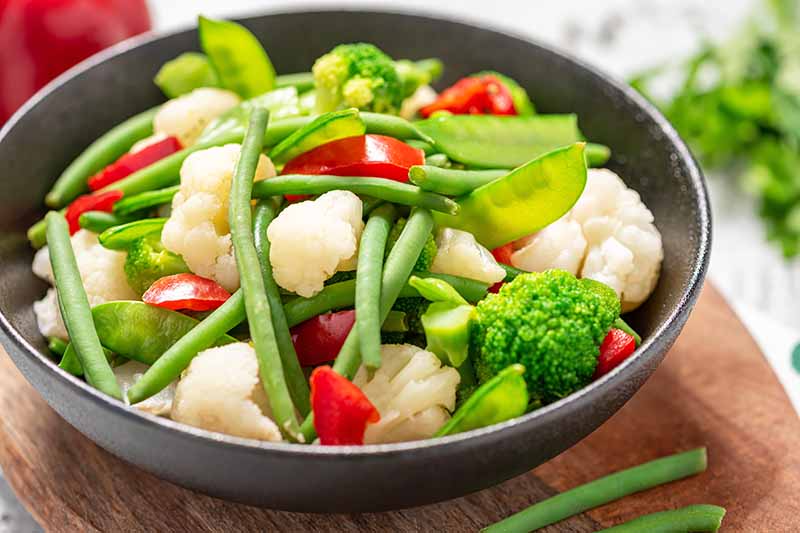
Steaming does not require heavy sauces or complicated seasoning. In fact, lightly seasoned vegetables can make an excellent side dish.
Try finishing them with:
- A small amount of butter or olive oil
- Fresh lemon juice
- Black pepper
- Garlic
- Fresh herbs
- A pinch of salt
- A light sprinkle of grated cheese
- Toasted seeds or nuts for additional texture
Seasoning after steaming gives you better control over the final flavor. It also allows the natural taste of the vegetables to remain noticeable.
For a simple everyday combination, steamed broccoli with lemon, black pepper, and a small amount of olive oil can be both quick and flavorful.
Can You Steam Several Vegetables Together?
Yes, but choosing vegetables with similar cooking times makes the process easier.
If you want to steam several varieties in one basket, start with the vegetables that take the longest. Add quicker-cooking vegetables later.
For example, dense carrot pieces can begin cooking before broccoli or zucchini is added. This approach allows everything to finish at approximately the same time.
Cutting vegetables strategically can also help. A vegetable that normally takes longer may cook at a similar speed to another vegetable if it is cut into smaller pieces.
How to Know When Steamed Vegetables Are Done
Texture is the most useful indicator.
A fork should enter the vegetable easily enough to show that it is cooked, but the exact resistance depends on your preference. Some people enjoy very tender vegetables, while others prefer a firmer, crisp texture.
Color can also provide a helpful visual clue. Many green vegetables become brighter during cooking and can lose some of their appealing appearance if they are left steaming for too long.
Taste is ultimately the best test when practical. Allow a piece to cool slightly and check whether the texture matches what you want.
Choosing the Right Steaming Equipment
You can steam vegetables with basic kitchen equipment, but different tools offer different levels of convenience.
A folding metal steamer basket is compact and works with many standard pots. A dedicated electric steamer can be useful for people who steam food frequently, while a bamboo steamer is another traditional option.
The equipment is less important than the basic principle: the vegetables should be exposed to hot steam while remaining above the water.
For occasional cooking, there is usually no need to purchase specialized equipment. A simple steamer basket and a pot can handle many everyday meals.
Why Steaming Is a Useful Cooking Method
Steaming is popular because it requires relatively little preparation and does not depend on large amounts of cooking oil.
It can also preserve the natural shape and flavor of vegetables better than methods that involve prolonged boiling. Because the vegetables are not sitting directly in a pot of water, the cooking process can produce a cleaner, more distinct vegetable flavor.
Steaming is especially convenient when you want a quick side dish alongside rice, pasta, meat, fish, eggs, or other main dishes.
It also works well for meal preparation because steamed vegetables can be portioned and incorporated into different meals throughout the week.
Practical Tips for Better Results
A few simple habits can make steaming more consistent:
- Cut vegetables into similarly sized pieces.
- Keep the water below the steaming basket.
- Start with hot water so steam develops quickly.
- Keep the lid closed during cooking.
- Avoid overcrowding the basket.
- Check vegetables early rather than overcooking them.
- Remove them from heat as soon as they reach the preferred texture.
- Season after cooking when you want more control over flavor.
- Be careful when opening the lid because hot steam escapes rapidly.
The more often you steam vegetables, the easier it becomes to judge timing by appearance and texture rather than relying strictly on a timer.
Conclusion
Knowing how to steam vegetables gives you a simple cooking technique that can be used for everything from quick family dinners to organized weekly meal preparation. The basic method is straightforward: prepare evenly sized vegetables, place them above simmering water, cover the pot, and cook until they reach the texture you prefer.
The most important part is learning that different vegetables require different amounts of time. Dense vegetables may need longer cooking, while delicate vegetables can become tender within just a few minutes. With a little attention to size, steam circulation, and texture, you can consistently prepare vegetables that are flavorful, colorful, and pleasantly tender.
Frequently Asked Questions
How much water do you need to steam vegetables?
Use enough water to generate steady steam while keeping the water level below the steaming basket.
How do you know when steamed vegetables are done?
Test the thickest piece with a fork and remove the vegetables when they reach your preferred level of tenderness.
Can you steam frozen vegetables without thawing them?
Yes, most frozen vegetables can be placed directly into the steamer, although cooking time may vary.
Is steaming vegetables better than boiling them?
Steaming can help vegetables retain their texture and natural flavor while avoiding direct contact with a large amount of water.
Can you steam different vegetables at the same time?
Yes, but vegetables with similar cooking times are easiest to prepare together.
Why do steamed vegetables become mushy?
They usually become mushy when they are cooked for too long or left in the hot steamer after reaching the desired texture.
Can you add seasoning before steaming vegetables?
You can, but seasoning after steaming often gives you better control over the final flavor.
What is the easiest way to steam vegetables at home?
A saucepan, a steaming basket, a small amount of water, and a lid are enough for a simple and effective setup.
Also Read: 844 area code